Flambé Colour Terracotta Louver Approval and Batch Control
Specify flambé-colour terracotta louvers with approved colour ranges, fired samples, batch distribution, mock-ups, labelling and installation controls.
Historical archive: product availability, standards and event information may have changed. Contact LOPO for current specifications.Flambé colour terracotta louver approval is a process for controlling intentional fired variation across an architectural screen. A flambé or firing-transmutation effect should not be treated as one exact digital colour. Clay body, glaze or surface treatment, firing conditions, profile geometry, orientation, light, and viewing distance can all influence appearance. The project team should therefore approve a physical colour range, not rely on a single photograph or monitor image.
Define the Product Before Approving Colour
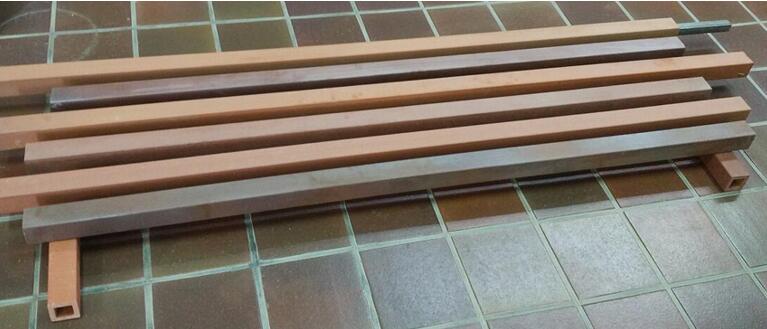
Terracotta louver, baguette, and sunscreen are sometimes used for related products, but they are not complete specifications. First identify the profile, cross-section, length, wall thickness, orientation, end condition, support spacing, fixing interface, and intended location. Use the terracotta baguette product overview to establish the relevant family, then request drawings and current feasibility for the selected item.
Colour approval does not validate structural capacity, fixing design, solar performance, fire performance, or suitability for a particular exposure. Those items require project-specific engineering, current evidence, and coordination with the facade system. Keep the finish package linked to, but separate from, the technical submittal.

Describe Flambé Colour as a Controlled Range
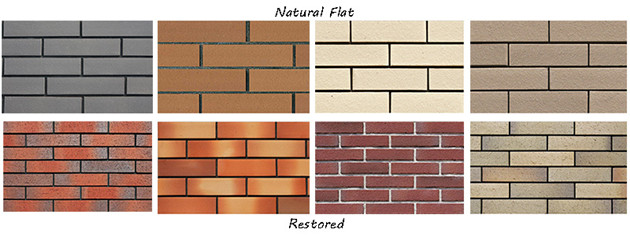
A useful brief names the base colour direction and explains how variation should behave. Record whether the design seeks a quiet tonal field, visible transitions, contrasting marks, or a deliberately mixed surface. Define unacceptable extremes as carefully as preferred examples. Avoid promises such as “uniform,” “exact match,” or “never fades” unless a defined method and evidence support them.
- Reference: supply a physical material, identified fired sample, or agreed project palette rather than only an RGB, CMYK, or screen image.
- Range: identify light, middle, and dark limits, plus any permitted mottling, edge effects, spotting, or directional marks.
- Distribution: state whether tones should be evenly mixed, grouped, graduated, randomized, or mapped by elevation.
- Viewing conditions: review samples vertically, in the planned orientation, under representative daylight and relevant artificial lighting.
- Exclusions: record colours, marks, gloss levels, or concentrations that the approval does not permit.
Use a Staged Fired-Sample Programme
| Stage | Purpose | Controlled record |
|---|---|---|
| Direction samples | Compare basic colour routes and surface character | Sample codes, date, profile, and written comments |
| Development range | Set acceptable light, middle, dark, and effect limits | Numbered physical range with exclusions |
| Profile set | Check how the effect reads on the intended cross-section and orientation | Approved pieces tied to the profile drawing |
| Multi-piece mock-up | Review joints, shadows, spacing, variation, and distribution at useful distance | Photographs, layout, orientation, and approval status |
| Production reference | Provide the comparison basis for batch inspection | Sealed reference set and release document |
Do not approve a colour on a different geometry without checking the selected louver profile. Curved faces, corners, grooves, and varying face widths can change glaze coverage and reflected light. The architectural terracotta item listing can help identify candidate sections, but only the current drawing and fired profile sample should govern the project.
Plan Batch Control and Facade Distribution
Once the range is approved, translate it into a practical inspection and packing plan. Define how production pieces are compared with the reference set, how often samples are checked, who records the decision, and what happens to pieces outside the range. A visual judgement should use consistent viewing distance, orientation, lighting, and background wherever practical.
Labels should connect cartons or stillages to the product code, colour family, production reference, quantity, and intended elevation or zone where required. If more than one production batch is used, agree whether batches will be mixed, separated by elevation, or distributed to avoid unintended patches. Record the method before material reaches site rather than improvising during installation.

Coordinate Mock-Up, Packing, and Installation
A representative mock-up should combine the approved louver profile, planned spacing, supports, fixings, joints, end details, orientation, and colour distribution. Review it from the principal approach and from closer inspection positions. Shadows can change throughout the day, so a single front-lit photograph is not enough to judge the installed field.
- Freeze the approved profile drawing and finish range under revision control.
- Mark any elevation zones, sequences, rotations, or mixing rules on installation information.
- Keep identifiable reference pieces available for production and site comparison.
- Inspect delivery labels and representative pieces before distributing packs.
- Dry-lay or temporarily assemble a useful group where the colour arrangement is sensitive.
- Record accepted substitutions, repairs, and replacement-piece locations.
Build a Traceable Approval Package
The final package should include the product and profile code, drawing revision, intended orientation, approved fired range, mock-up record, acceptance method, batch and packing logic, installation distribution rules, and named approval authority. It should also list the technical documents required for the selected product and support system. The LOPO terracotta catalogue overview can support early coordination, while current manufacturing and sample capability can be discussed through the LOPO factory overview.
Frequently Asked Questions
Is flambé colour one fixed colour?
No. It describes a fired visual effect that may include planned tonal and surface variation. The project should approve physical range samples and define both acceptable distribution and excluded extremes.
Can a photograph be used for final approval?
A photograph can communicate intent, but cameras, screens, lighting, and compression alter appearance. Final approval should use identified fired samples on the intended profile and, where useful, a multi-piece mock-up.
Should different production batches be mixed?
There is no universal rule. Decide after reviewing representative production and the facade layout. The project may mix pieces, allocate batches by zone, or use a documented sequence to achieve the approved effect.
Does colour approval confirm louver performance?
No. Finish approval does not confirm structural, fixing, fire, weathering, or solar-performance requirements. Verify those matters separately for the selected profile, support system, standards, exposure, and building design.
Request a Current Development Review
Send the profile drawing, orientation, facade elevations, physical colour reference, intended range, quantity, destination, programme, mock-up scope, inspection method, and required technical evidence through the LOPO project enquiry page. The response should confirm current product feasibility and a sample route rather than treating the 2017 images as a standing specification.