
Glazed Terracotta Panel Specification and Selection Guide
Specify glazed terracotta panels by panel type, color, gloss, texture, sample range, fixing interface, test scope and production approval workflow.
Historical archive: product availability, standards and event information may have changed. Contact LOPO for current specifications.A glazed terracotta panel specification must define more than a color name. The project team needs to identify the underlying panel type, glaze appearance, acceptable variation, geometry, joints, fixing interface, test evidence, sample stages, and production controls. Glaze can add color, sheen, depth, or a special visual effect to fired-clay cladding, but it does not by itself approve the panel or the complete facade system. This guide turns an early finish concept into a reviewable specification.

Define the Panel Before the Glaze
First confirm whether the product is a hollow rainscreen panel, a solid wall tile, a baguette, or another architectural terracotta unit. These forms have different sections, joints, weights, support conditions, and typical uses. The LOPO terracotta facade panel range is the appropriate starting point for a modular ventilated facade. Do not transfer dimensions, fixing details, or test results from a similarly colored but structurally different product.
Specify the Glazed Appearance
| Specification item | What to define | Approval evidence |
|---|---|---|
| Color direction | Target hue, undertone, depth, opacity, and relationship to adjacent materials | Identified physical reference and approved sample range |
| Gloss level | Matte, satin, semi-gloss, glossy, or a project-defined visual target | Samples reviewed under agreed lighting and viewing angles |
| Surface character | Smooth, textured, crystalline, mottled, layered, or another documented effect | Close-range samples and facade-scale mock-up where needed |
| Variation | Acceptable color, gloss, texture, and firing variation across the elevation | Range board or multiple approved units, not one tile alone |
| Coverage | Glazed faces, visible edges, returns, grooves, recesses, and excluded areas | Marked drawing, section, and approved physical piece |
| Module and joints | Panel size, orientation, joint color, width, depth, and background condition | Elevation study and representative mock-up |
Use Color References Carefully
A digital rendering, screen image, printed page, or general color code can communicate intent, but it is not a final production approval. Light source, screen calibration, print process, glaze thickness, clay body, firing, surface texture, and gloss can all change how the color is perceived. State which reference controls when different documents appear to conflict.
For a custom color, send a physical target where possible and explain which characteristic matters most. A natural stone chip, metal coating, painted sample, or fabric may not be reproducible in exactly the same way on glazed clay. The development objective should therefore be an approved ceramic interpretation, not an undocumented promise of perfect visual identity.
Plan a Practical Sample Approval Sequence
- Direction sample. Compare a small set of glaze directions for color, gloss, texture, and compatibility with the selected panel body.
- Development sample. Refine the chosen direction on the intended surface and representative geometry, including grooves or visible returns.
- Range approval. Review multiple samples that demonstrate the proposed production variation rather than selecting one ideal unit.
- Mock-up. Assess repeated panels, joints, corners, lighting, reflections, adjacent materials, and viewing distance at a useful scale.
- Production reference. Identify the approved samples, drawings, codes, dates, and parties authorized to accept or reject production.
Archived Glazed Finish Examples
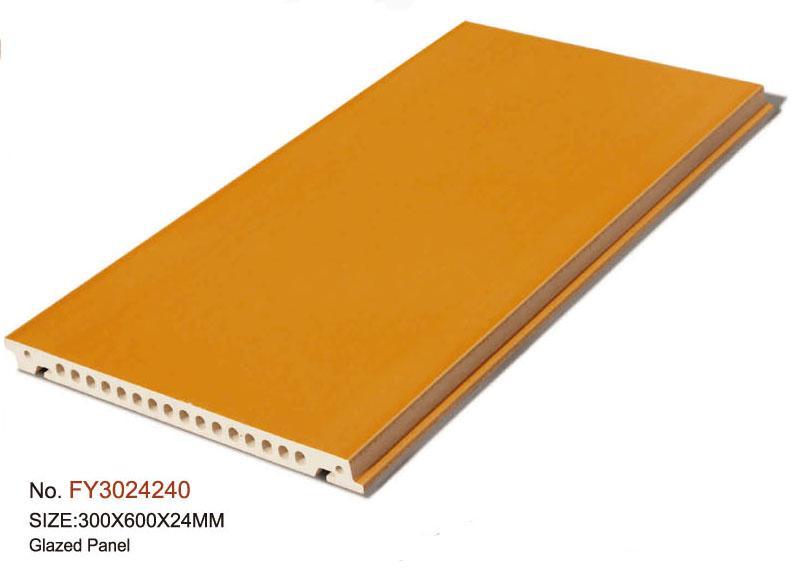
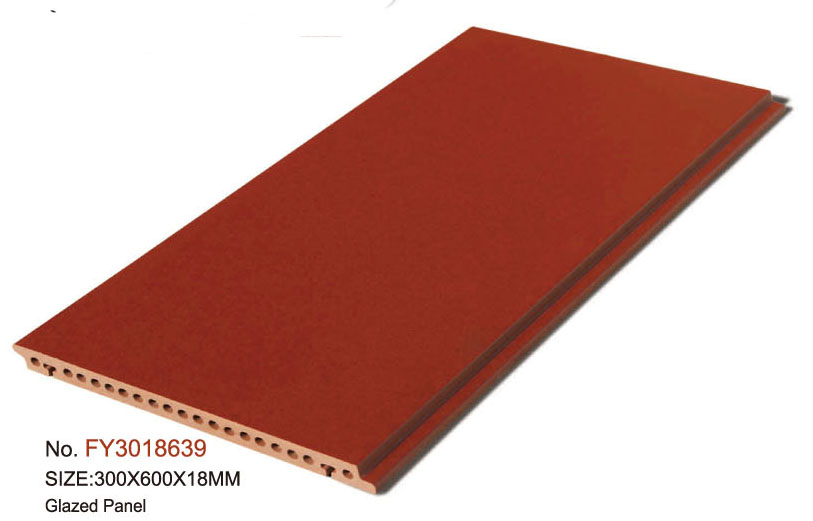
The following photographs are retained from the original 2013 post. They illustrate earlier glazed terracotta appearances only. Screen color is not an approval reference, and the images do not confirm current availability, gloss level, glaze coverage, batch range or suitability for a specific panel geometry.
Review Light, Reflection, and Facade Context
- Review samples vertically when the panels will be installed vertically.
- Compare sunlit and shaded conditions without expecting every moment to look identical.
- Include the proposed joint color and adjacent glass, metal, stone, or brick in the mock-up.
- Check whether panel orientation or pattern direction must be shown on packing labels and drawings.
- Photograph approvals, but retain the physical references because photographs do not replace them.
Keep Finish Claims and Performance Evidence Separate
Glaze should not be described as automatically self-cleaning, waterproof, weatherproof, fade-proof, or maintenance-free. If such performance is required, define the relevant test method, exposure, acceptance criteria, product configuration, and document scope. Reports should match the proposed panel body, finish, dimensions where relevant, manufacturing source, and intended application.
The facade engineer and other qualified project professionals should approve loads, brackets, rails, anchors, joints, movement, drainage, fire strategy, insulation, membranes, and local compliance. Manufacturer samples and product data support those decisions but do not replace system design.
Control Production, Handling, and Replacement
Before production, agree how the approved range will be translated into inspection criteria. Record the product code, glaze reference, panel drawings, acceptable variation, inspection lighting, sample frequency or project sampling plan, labeling, and nonconformance process. If several facade zones use similar colors, labels and packing schedules should prevent unintended mixing.
Glazed faces and edges may need project-specific protection during packing, transport, cutting, handling, and installation. Confirm whether field cutting is permitted, how exposed cut edges are treated, and how damaged or replacement pieces will be matched. Retaining clearly identified spare material can be considered in the project procurement plan.
Documents to Include in the Specification
- Panel type, section, dimensions, orientation, joint and corner drawings
- Glaze code, color direction, gloss, texture, coverage, and approved range
- Required product and system tests with standards and acceptance criteria
- Sample, range board, mock-up, production, inspection, and hold-point schedule
- Packing, labels, handling, cleaning, replacement, spare, and delivery requirements
The pearlescent terracotta panel page shows one specialized glazed direction; it should be evaluated as its own finish rather than treated as the definition of all glazed panels. Candidate items can also be reviewed through the LOPO item listing and the terracotta panel catalogue overview.
Frequently Asked Questions
Can a color code replace a physical glazed sample?
No. A code is useful for direction, but the fired result also depends on the clay body, glaze formulation, surface, gloss, firing, and viewing conditions. Approve an identified physical sample range.
Is every glazed terracotta panel glossy?
No. Glazed finishes may be developed with different sheen and surface effects. The specification should name the intended appearance and define how it will be assessed rather than assuming a finish from the word glazed.
Does a trial firing approve facade performance?
No. It can help approve color and finish development. Structural, fire, weather, fixing, and system requirements need separate, relevant evidence and project approval.
How should glaze variation be handled?
Approve a representative range and state the review method, lighting, viewing distance, facade distribution, and decision authority. Avoid both an unrealistic demand for identical units and an undefined acceptance of any variation.
Turn the Design Intent into an Approval Record
A clear glazed terracotta panel specification connects the visual target to the correct product, facade geometry, physical references, performance evidence, and production controls. Send drawings, panel type, finish references, quantity, standards, programme, and delivery destination through the LOPO project enquiry page for a current review.


