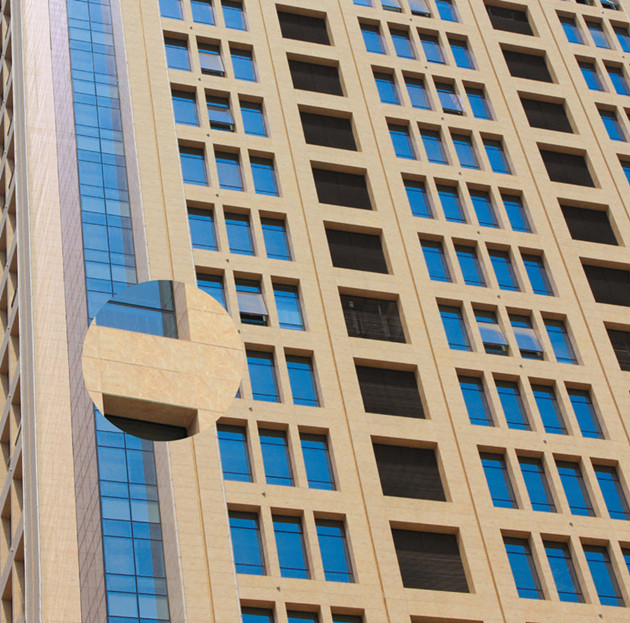
Wood-Grain Terracotta Panel Selection: Pattern and Colour
Select wood-grain terracotta panels by pattern scale, colour range, repeat, orientation, joints and fired mock-ups, with facade engineering kept separate.
Historical archive: product availability, standards and event information may have changed. Contact LOPO for current specifications.Wood-grain terracotta panel selection is an appearance and product decision before it becomes a facade-system decision. A wood-inspired surface can introduce directional lines, tonal changes, and visual warmth, but it remains a fired terracotta finish rather than timber. The design team should compare pattern scale, colour range, repeat, orientation, panel module, joints, corners, and replacement strategy using current physical samples. Renderings and archive photographs can support a shortlist, not final approval.

Clarify the Material and Finish Route
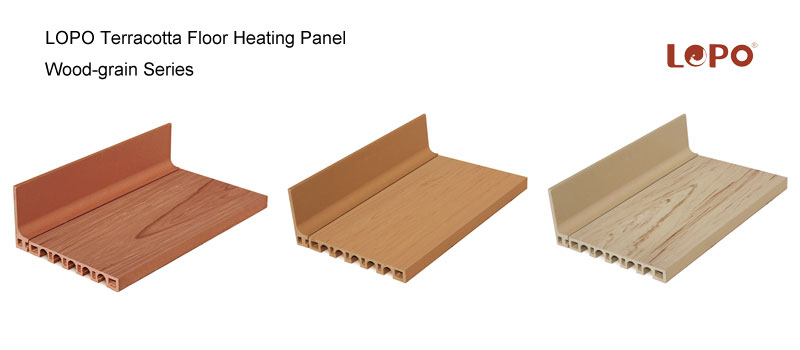
Use “wood-grain,” “wood-look,” or “wood-inspired” to describe the visual direction without implying that the panel is wood or will copy a species exactly. Ask how the current candidate finish is made: it may involve a glaze, transfer, digital ceramic printing, a physical surface treatment, or another available process. The route affects artwork control, pattern variability, surface relief, colour development, and replacement planning.
Begin with the LOPO terracotta facade panel overview to define the panel family and section. If the proposal uses digital imagery, the separate 3D inkjet pattern-development guide covers artwork files, mapping, versions, and print approval. This page instead helps a project team decide which wood-grain appearance and distribution are appropriate.
Compare Pattern, Colour, and Surface Variables
| Variable | Selection question | Approval evidence |
|---|---|---|
| Grain scale | Does the line width and feature size suit the panel module and viewing distance? | Full-size fired pieces and elevation study |
| Colour range | Should tones be quiet, contrasted, graded, or mixed across the field? | Identified light, middle, and dark range samples |
| Pattern repeat | Will a short repeat create visible bands or identical neighbouring panels? | Variant schedule and multi-panel layout |
| Direction | Does grain run horizontally, vertically, alternate, or follow specific zones? | Oriented sample labels and elevation map |
| Surface character | Is the visual grain printed, physically textured, glazed, matte, or combined? | Current process description and raking-light review |

Control Repetition Across the Elevation
A convincing wood-inspired field does not necessarily require random placement. It requires an intentional rule that avoids accidental repetition. Record the number of available variants, permitted rotations or mirroring, panel orientation, sequence, transitions, and any areas where pattern continuity matters. Test the rule on an elevation drawing before approving a small sample.
- Mark panel joints, openings, corners, soffits, returns, parapets, and replacement zones on the pattern study.
- Check whether the finish has a clear top, bottom, left, or right orientation.
- Avoid placing identical high-contrast features next to each other unless the design intends it.
- Define whether packs are sequenced, mixed, or allocated by elevation and reflect that decision in labels.
- Retain the approved map, physical range, and variant records for production and future replacement.
Review Panel Module, Joints, and Corners
Grain can make panel joints more visible or conceal them, depending on direction and contrast. Compare the pattern with panel length, height, joint width, joint colour, support grid, window rhythm, and corner method. A continuous horizontal grain may break at vertical joints; a vertical pattern may highlight storey bands. Neither effect is inherently wrong, but it should be visible in the approval set.
Texture also changes perception. A shallow physical relief can cast shadows that a printed sample does not show. The terracotta panel texture-selection guide addresses tactile finish and range approval; do not assume that a wood-grain graphic includes a particular relief.

Use a Staged Fired-Sample Approval
- Direction samples: compare alternative grain, colour, gloss, and relief routes on identified fired pieces.
- Range set: establish permitted colour and pattern limits, typical pieces, excluded effects, and orientation.
- Multi-panel study: assemble enough coded units to reveal repeat, joints, rotation, and tonal distribution.
- Facade mock-up: include the selected panel section, actual joints, supports, corners or openings, and representative lighting.
- Production reference: seal or otherwise control the final samples, drawings, pattern map, codes, comments, and approval date.
Review samples upright and from both close and representative facade distances. Daylight, raking light, glazing reflections, and surrounding colours can change the reading. A screen image cannot reliably reproduce a fired surface.
Keep Appearance Approval Separate from System Engineering
Wood-grain approval does not confirm panel span, fixing capacity, wind resistance, fire strategy, water management, thermal movement, or substrate design. Coordinate the selected panel and finish with the facade engineer, fire consultant, architect, installer, and relevant authorities. Confirm whether special printing or texture affects cuts, edge treatments, repairs, sealants, cleaning, packing, or protective films.
Plan Procurement and Replacement
The purchase package should name the panel code and drawing, finish route, grain and colour references, variants, distribution rule, orientation, quantity, elevation schedule, samples, mock-up, inspection method, packing sequence, spares, programme, and destination. Use the terracotta panel catalogue overview for early comparison, then freeze current physical and technical references.
Future replacement pieces may require a new fired sample because materials and process conditions can change. Retaining coded spares, approved samples, pattern files where relevant, production records, and elevation maps can reduce uncertainty, but an exact visual match should not be promised without a current trial.
Frequently Asked Questions
Are wood-grain terracotta panels made from wood?
No. The term describes a wood-inspired visual effect on terracotta. Product composition, finish process, panel section, and current evidence should be stated separately.
Is every wood-grain finish digitally printed?
Not necessarily. Confirm the current production route for the selected item. Digital printing, glaze, transfer, physical texture, or combined processes have different approval needs.
How can obvious pattern repetition be avoided?
Use multiple approved variants and a documented placement rule, test it on an elevation and multi-panel assembly, and preserve orientation and sequence through labels and installation records.
Does the finish approval cover facade performance?
No. Appearance approval is one workstream. Panel geometry, supports, fixings, fire, movement, drainage, installation, and maintenance require separate project verification.
Request Current Samples and Feasibility
Send panel dimensions, elevations, finish references, grain direction, desired colour range, joint concept, quantity, programme, standards, mock-up scope, and destination through the LOPO project enquiry page. Ask for current fired examples and clearly identify which product family each sample represents.