
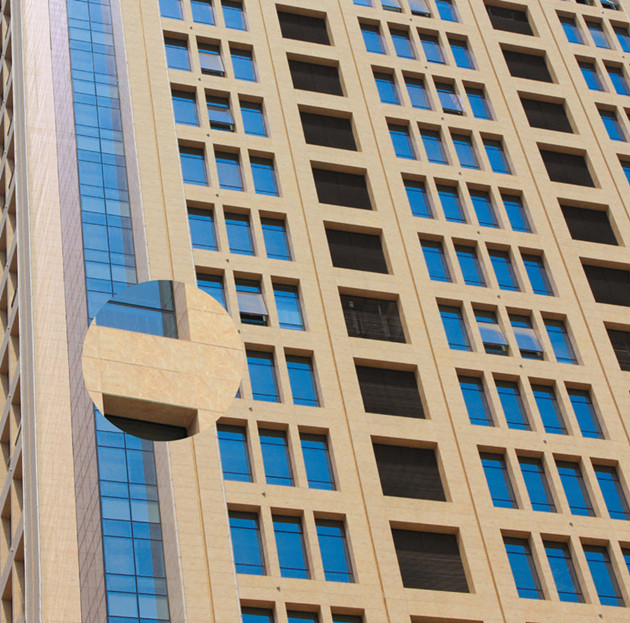
3D Inkjet Terracotta Panel Pattern Development and Approval
Develop 3D inkjet terracotta panel patterns through artwork setup, scale and repeat studies, fired samples, mock-ups, approvals and production controls.
Historical archive: product availability, standards and event information may have changed. Contact LOPO for current specifications.3D inkjet terracotta panel pattern development converts digital artwork into a fired architectural surface that can be reviewed, repeated, identified, and produced for a facade. The process can create stone-inspired, wood-inspired, abstract, graphic, or project-specific imagery, but a screen rendering is not a production approval. Architects and facade teams should control the source artwork, panel geometry, scale, repeat, color range, joints, sample sequence, file revisions, and production references.
Clarify What “3D Inkjet” Means
In this context, 3D inkjet generally describes a digital ceramic surface-printing process. It does not necessarily mean that the panel has three-dimensional geometry or deep physical relief. If texture, carving, grooves, curves, or special profiles are required, identify them separately in the panel drawing and confirm that the intended print process is compatible with the surface.
Begin with the correct product family through the LOPO terracotta facade panel page. Panel section, dimensions, orientation, joints, fixing interface, and support conditions should be coordinated before final artwork is mapped onto the units.
Build a Complete Digital Pattern Brief
- Source artwork: provide an authorized, editable or suitably high-quality file with clear ownership and usage permission.
- Facade map: identify elevations, panel modules, orientation, joints, corners, openings, returns, and nonprinted zones.
- Visual objective: state whether the design seeks faithful reference, controlled variation, abstraction, rhythm, or a deliberately nonrepeating field.
- Pattern behavior: define scale, crop, repeat, rotation, mirroring, sequencing, randomization, and transitions between facade areas.
- Color direction: identify the controlling physical reference, acceptable range, gloss or surface effect, and relationship to adjacent materials.
Coordinate Pattern, Panel, and Joint Layout
The elevation should show how artwork meets panel edges. A continuous image may require controlled sequencing and registration, while a randomized stone- or wood-inspired field may need enough variants to avoid obvious repetition. Decide whether neighboring panels align, rotate, mirror, or intentionally differ. Corners, soffits, parapets, and replacement zones need their own rules.
Use a Staged Sample and Approval Process
| Stage | What it should answer | Approval record |
|---|---|---|
| Digital layout | Scale, crop, repeat, sequencing, panel map, and joints | Versioned artwork and elevation drawing |
| Initial fired sample | Basic color direction, image translation, surface, and compatibility with the selected body | Identified physical sample and comments |
| Development set | Color range, pattern variants, detail, gloss, and repeat behavior | Approved range with codes and date |
| Multi-panel assembly | Registration, joints, orientation, transitions, and repeated visual effect | Numbered sequence or mock-up approval |
| Production reference | Final files, panel drawings, range, inspection method, and labeling | Signed or digitally controlled release package |
Separate Inspiration from Imitation Claims
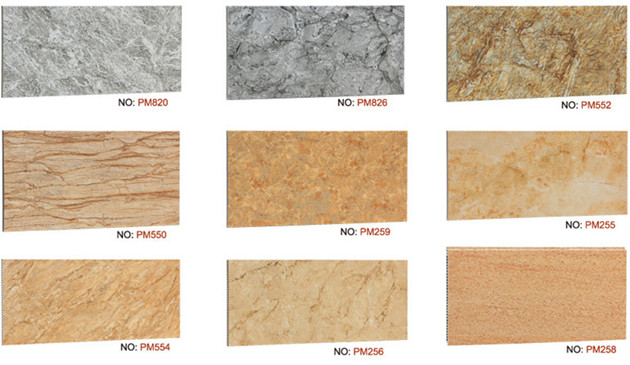
The original article compared printed panels with marble, granite, and wood and described them as superior substitutes. A more accurate specification uses terms such as marble-inspired, granite-inspired, or wood-inspired unless the approved project brief requires another description. Printed terracotta remains a distinct material with its own joints, surface, variation, weathering, maintenance, and replacement considerations.
Do not promise exact replication of a natural material or claim better environmental, cost, or durability performance without a defined comparison and evidence. If sustainability or whole-life cost affects selection, assess the proposed panel, facade assembly, transport, maintenance plan, service assumptions, and project method separately.

Control Files, Variants, and Production
Create one controlled release package linking the approved artwork to panel codes and elevation locations. It should include file names, version numbers, color profiles or agreed working method, dimensions, bleed or edge rules, orientation, variant sequence, nonprinted areas, and the authorized approval. Obsolete files should be withdrawn so they cannot return during production.
The inspection plan should address product identity, physical sample range, print placement, color and pattern variation, registration where relevant, surface condition, dimensions, labels, and nonconformance. Define how representative production is compared with approved samples and who can accept a controlled variation. The terracotta technical data verification guide helps keep finish approval separate from product and facade-system evidence.
Plan for Installation and Future Replacement
Patterned facades can be more sensitive to misplaced or rotated units than single-color elevations. Packing schedules should preserve the required sequence while allowing safe handling. Installation drawings should show codes, orientation, starting points, joints, transitions, and any intentionally random layout method.
Agree how replacement panels will be produced and matched later. Retaining controlled artwork, print files, approved samples, panel drawings, production references, and spare units may reduce uncertainty. A future firing may still need a new sample approval because materials, equipment, or production conditions can change.
Information to Send for Development
- Facade drawings, panel schedule, orientation, joints, corners, returns, and fixing concept
- Source artwork and proof that the project is permitted to use it
- Pattern scale, repeat, variants, crop, sequencing, and transition rules
- Physical color or material references and the intended surface or gloss
- Sample, mock-up, test, inspection, packing, and approval requirements
- Quantity, delivery destination, programme, and replacement or spare strategy
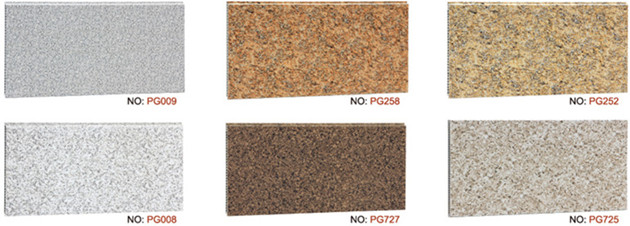
Current 3D inkjet item examples can be reviewed through the LOPO 3D inkjet panel listing and the terracotta panel catalogue overview. Confirm every candidate against current drawings, samples, availability, and project requirements.
Frequently Asked Questions
Does 3D inkjet printing make the panel physically three-dimensional?
Not necessarily. The term may describe digital ceramic printing rather than relief. Specify physical grooves, carving, curves, or profiles separately and confirm compatibility with the pattern process.
Can LOPO print any image supplied by the architect?
Feasibility depends on artwork rights, file quality, panel geometry, scale, color translation, surface, firing, repeat strategy, quantities, and sample approval. Submit the source file and facade map for review before relying on a rendering.
Is a computer rendering enough for final color approval?
No. Screens and prints do not reproduce a fired ceramic surface reliably. Use identified fired samples, an approved range, and a multi-panel mock-up when repetition or alignment matters.
How can obvious pattern repetition be reduced?
Develop multiple approved variants and a documented distribution method using rotation, sequencing, controlled randomization, or different crops where feasible. Test the arrangement on an elevation and a multi-panel sample before production.
Approve the Pattern as a Buildable Facade
Successful 3D inkjet terracotta panel pattern development connects the artwork to panel geometry, joints, fired samples, file control, production inspection, packing, and installation. Send the drawings, source artwork, reference materials, quantity, standards, programme, and destination through the LOPO project enquiry page for a current feasibility and sample review.


