
Terracotta Panel Manufacturing Quality-Control Checklist
Review terracotta panel manufacturing quality control across materials, batching, extrusion, drying, firing, inspection, traceability and packing.
Historical archive: product availability, standards and event information may have changed. Contact LOPO for current specifications.Terracotta panel manufacturing quality control should connect raw-material identity, preparation, forming, drying, firing, inspection, traceability, and packing. Equipment size or production capacity does not prove consistent panels on its own. A useful factory review asks which variables are controlled, how they are measured, what records follow each batch, and how nonconforming material is separated and investigated.
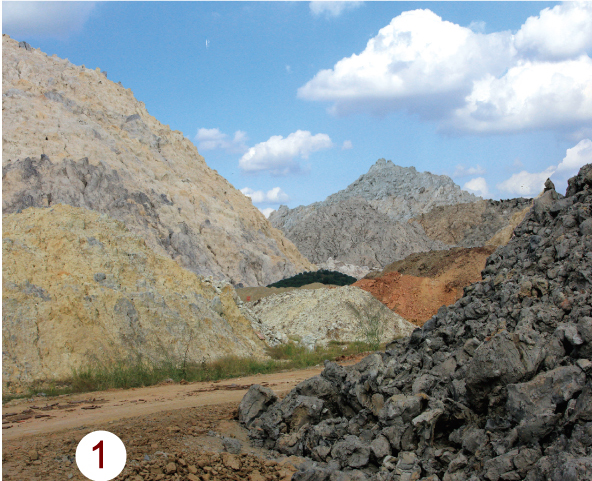
Map Each Manufacturing Stage to Evidence
| Stage | Variables to control | Useful records or checks |
|---|---|---|
| Raw-material receipt | Source, material identity, moisture, particle or mineral characteristics, contamination, lot separation, and change control | Supplier/lot records, sampling plan, incoming results, storage map, and release status |
| Preparation and batching | Recipe, weighing, crushing, grinding, screening, moisture adjustment, mixing, ageing, and sequence | Batch sheet, calibrated equipment, operator/time records, test results, retained samples, and deviations |
| Forming | Tooling, vacuum, feed, extrusion or other forming conditions, section, wall zones, grooves, holes, and surface | Approved drawings, tooling ID, first-piece checks, process settings, dimensions, and visual inspection |
| Drying | Loading, support, temperature, humidity, airflow, time, moisture gradient, shrinkage, cracks, and distortion | Cycle record, sensor checks, batch identification, inspections, and nonconformance data |
| Firing | Kiln loading, support, temperature profile, atmosphere, speed/time, position effects, colour, shrinkage, and deformation | Firing curve, kiln/batch map, calibrated sensors, witness samples, results, and release decision |
| Finishing and inspection | Cutting, drilling, edge treatment, dimensions, tolerances, appearance range, soundness, and project tests | Inspection plan, gauges, sampling, reports, approved samples, rejects, rework, and traceability |
| Packing and dispatch | Piece identity, batch/elevation grouping, edge protection, moisture, labels, quantities, loading, and handling | Packing list, photographs, pallet IDs, release record, delivery documents, and damage procedure |
Control Raw Materials and Batch Identity
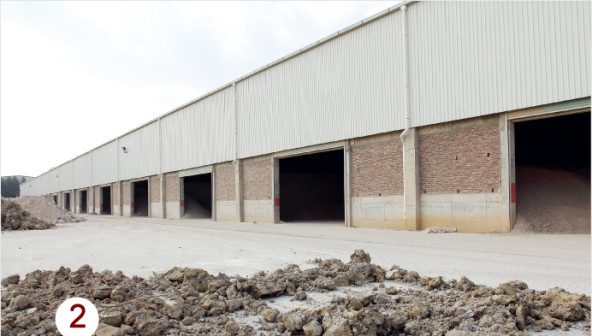
Large reserves or storage buildings may support production planning, but the audit should focus on identity and consistency. Confirm how incoming sources are sampled, how moisture and other relevant variables are monitored, how lots are segregated, and how a source or recipe change is approved. Weather exposure, drainage, cross-contamination, and stock rotation can matter as much as nominal storage volume.
The natural clay and process evidence guide explains raw-material variables, recipe control, forming, drying, firing, and why the word “natural” is not a quality or environmental conclusion.
Verify Batching, Preparation, and Forming
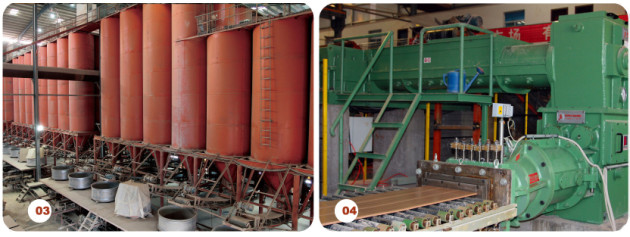
A repeatable recipe needs defined inputs, weighing, moisture, mixing, preparation, and release criteria. Ask how equipment is calibrated, how an operator identifies the correct recipe, how prepared material is linked to a product batch, and what happens when results fall outside the control range.
During extrusion or other forming, the drawing must define the section, overall dimensions, wall zones, cavities, grooves, surfaces, edges, holes, and orientation. Tool wear, feed consistency, vacuum, moisture, line speed, cutting, and handling can affect geometry. Approve a first piece and compare later production against controlled drawings and representative fired references.
Manage Drying and Firing as Product-Specific Processes
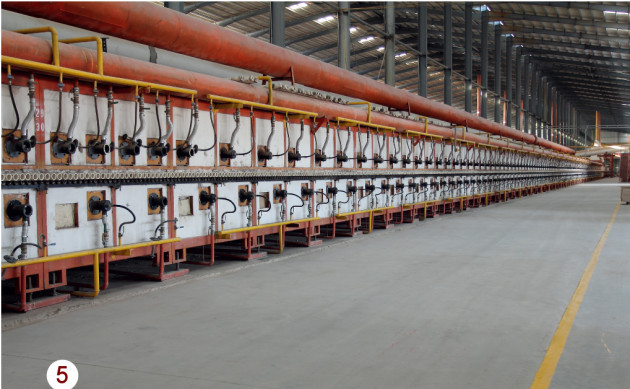
Green clay changes dimension and can crack or distort if moisture leaves unevenly. Drying conditions should reflect the section, length, geometry, loading, supports, moisture, and product family. Review cycle records and the inspection route for cracks, bow, twist, edge damage, and dimensional change.
Firing controls colour development, sintering, shrinkage, geometry, and other characteristics. A kiln length, number of zones, or “advanced” label is not a performance result. Ask how temperature and atmosphere are measured, how product location is traced, how different sections or finishes are loaded, and how firing records connect to inspected and tested batches.
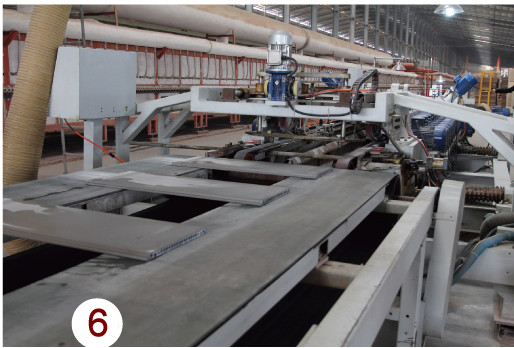
Inspect the Fired Product Against the Project Specification
Inspection should match the characteristics that matter to the project. These may include product identity, dimensions, tolerances, straightness, bow, twist, squareness, holes, edges, surface, colour range, glaze or texture, cracks, chips, and applicable physical tests. Not every item uses the same method or frequency.
The terracotta panel specification checklist helps define the product and evidence before production. Use the terracotta panel technical data guide to check units, test methods, specimen configuration, standards, ranges, and applicability rather than copying one generic value.
Review Traceability, Nonconformance, and Change Control
- Link raw-material lots, recipes, forming settings, drying cycles, firing records, inspections, tests, approved samples, and packing IDs.
- Define who may release a batch and how hold, reject, rework, downgrade, or concession decisions are recorded.
- Investigate recurring defects by product, section, position, equipment, shift, cycle, and material lot.
- Control changes to recipe, source, tooling, section, finish, equipment, process window, test method, or subcontracted activity.
- Retain project references and spare material in a way that supports later replacement and colour matching.
Use Dated, Scoped Factory Claims
The original page listed factory areas, reserve volumes, equipment origin, daily output, kiln dimensions, and national superlatives. Those figures are not repeated as current facts. Any capacity or equipment statement should name the site, date, product mix, shift basis, utilisation assumption, units, bottleneck, maintenance status, and verification source. Capacity is also not the same as confirmed project lead time.
For external reports and certificates, the LOPO document-scope guide explains how to verify product codes, standards, dates, issuing bodies, manufacturing source, results, and limitations.
Frequently Asked Questions
Does automated equipment guarantee consistent terracotta panels?
No. Automation can improve repeatability, but material variation, settings, tooling, drying, firing, inspection, maintenance, calibration, and change control still determine results.
Can factory capacity prove a delivery programme?
No. Confirm the current product mix, approvals, tooling, trials, raw materials, line allocation, yield, quality holds, packing, logistics, and project schedule.
What should a factory audit sample?
Trace at least one representative product from raw material and batch records through forming, drying, firing, inspection, testing, packing, and release.
What should be requested for a project review?
Provide product drawings, quantities, finishes, evidence requirements, samples, mock-ups, testing, programme, packing, traceability, and change-control expectations through the LOPO contact page.


