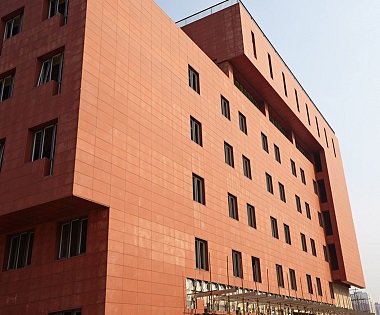
Terracotta Panel Maintenance and Cleaning Guide
Learn how to inspect and clean terracotta facade panels, manage common stains, avoid damaging methods and decide when specialist assessment is required.
Historical archive: product availability, standards and event information may have changed. Contact LOPO for current specifications.Terracotta panel maintenance should combine safe inspection, finish-compatible cleaning and timely review of damaged units or facade components. Exterior panels are not maintained like an unglazed floor tile. Do not automatically seal, polish or treat them with a household cleaner. First identify the product, surface, fixing system and source of staining or damage.
No facade is maintenance-free. Joints, fixings, drainage, adjacent metals and sealants affect service, and access must be handled by competent personnel.
Begin with the Product and Facade Records
Before cleaning, locate the approved sample, product schedule, finish reference, installation drawings and any project maintenance instructions. Natural-fired, glazed, textured and printed surfaces may respond differently to brushes, cleaners and water. A method accepted for one finish should not be transferred to another without confirmation.
The LOPO terracotta facade panel page provides an overview of the product family. For an installed project, the selected item and its project documents remain the controlling references.
What to Inspect on a Terracotta Facade
| Observed condition | Initial response | When to escalate |
|---|---|---|
| Loose dust or atmospheric dirt | Document a test area and use the least aggressive compatible method | If staining remains or the finish changes |
| Localized chips or cracks | Record the location, photographs and possible impact source | Promptly if a piece appears loose or at risk of falling |
| Misalignment, movement or rattling | Restrict access below if necessary and arrange a system inspection | Immediately to the facade contractor or qualified engineer |
| Staining below metal, sealant, coping or joint | Investigate the source before cleaning the visible mark | If corrosion, sealant failure or continuing water entry is suspected |
| Blocked openings, wet areas or biological growth | Check drainage, exposure and adjacent landscape or roof conditions | When moisture persists or concealed conditions cannot be seen safely |
| Failed or missing fixing-related component | Do not improvise a repair; identify the system and original detail | To qualified facade and structural professionals |
A Cautious Cleaning Sequence
- Identify the stain and finish. Determine whether it is loose dirt, mineral deposit, biological growth, metal runoff, sealant residue, paint or another substance.
- Inspect surrounding details. Cleaning will not solve a leaking coping, blocked drainage route, corroding component or failed sealant.
- Choose a discreet test area. Record the method, tools, cleaner if any, contact time and result. Review it after drying.
- Start with the least aggressive method. Remove loose deposits with a clean, soft, nonmetallic brush or another finish-compatible tool. Clean water and gentle manual action may be sufficient for light soil.
- Use a cleaner only when approved. Select a product compatible with the terracotta surface and adjacent materials. Follow its safety and application instructions rather than mixing products on site.
- Rinse and control runoff. Prevent cleaner or dirty water from drying on the surface or affecting other materials. Follow local collection and disposal requirements.
- Record the final result. Keep before-and-after photographs and note any color, gloss, texture or joint change.
Highly textured surfaces may retain deposits differently from smooth panels. LOPO’s surface and texture references illustrate why the method must follow the actual finish.
Common Stains Need Different Responses
Dust and Atmospheric Deposits
Test gentle cleaning. If dirt returns quickly in one area, investigate runoff from roofs, ledges, exhausts or adjacent materials.
Biological Growth
Persistent growth may indicate moisture, shade or vegetation. Address the cause and have a specialist select treatment compatible with the facade and runoff requirements.
Mineral Deposits and Efflorescence
Deposits may originate from mortar, concrete, joints or water movement. Identify the material and moisture path before choosing removal.
Metal, Sealant, Paint or Graffiti Stains
These need stain-specific advice and a test area. Strong chemicals or abrasion can alter terracotta and adjacent materials; remove the source as part of the repair.
Methods to Avoid Without Specific Approval
- Metal brushes, abrasive pads, grinding or sandblasting
- Strong acids, alkalis, bleach mixtures or unverified household cleaners
- High-pressure water directed at joints, edges, flashings or ventilation openings
- Steam or heat that has not been tested on the product and assembly
- Paint, polish, wax or sealer applied as a general maintenance treatment
- Mixing cleaners or allowing chemical runoff onto other facade materials
A sealer can change color, gloss, vapor behavior, future cleanability and repair options. Many architectural terracotta panels are not intended to receive a site-applied sealer. Use one only when the manufacturer, designer and maintenance specialist have confirmed the material and method for the specific condition.
Damage, Fixings and Panel Replacement
Cleaning personnel should not adjust clips, brackets, rails or anchors. Suspected movement, loose pieces, recurring cracks or displaced panels require assessment of the complete support arrangement. The back fixing component overview shows why the visible panel is only one part of the facade.
Replacement should follow the installed system, approved product and access procedure. Record the original item, dimensions, finish, orientation and batch information where available. A replacement sample may need review because fired-clay color and surface can vary between production periods.
Build a Project Maintenance Record
- Facade elevations divided into identifiable inspection zones
- Product and finish references, drawings and approved samples
- Inspection dates, access method, photographs and observations
- Cleaning trials, approved methods and safety information
- Repairs, replacement pieces and responsible contractors
- Recurring stains or damage and the investigated source
Manufacturing context and product controls are summarized on LOPO’s manufacturing page, but installed-facade decisions should also involve the original designer, facade contractor and qualified maintenance professionals.
Frequently Asked Questions
How often should terracotta panels be inspected?
There is no universal interval. Set a schedule based on height, exposure, access, climate, pollution, system design and project requirements. Additional review may be appropriate after severe events or impact.
Can terracotta facade panels be pressure washed?
Do not assume so. Excessive pressure or poor nozzle control can affect joints, edges, sealants and concealed layers. Any method should be approved and tested for the specific panel and assembly.
Should exterior terracotta panels be sealed?
Not as a routine rule. Confirm the product finish and cause of concern first. An unnecessary sealer may change appearance and complicate future maintenance.
What should be done with a cracked panel?
Document it and assess whether it is stable. If there is any risk of loosening or falling material, control access and obtain prompt advice from the facade contractor or qualified engineer.
Ask Before Applying a New Cleaning Method
For product-related questions, send the panel reference, finish, project location, photographs and condition description through the LOPO contact page. Site safety, diagnosis and repair approval remain with the building’s responsible professionals.