
Rust Stains on Terracotta Tiles: Diagnose Before Cleaning
Trace rust stains on terracotta tiles to metal runoff, embedded particles or site contamination, then test compatible cleaning before wider treatment.
Historical archive: product availability, standards and event information may have changed. Contact LOPO for current specifications.Rust stains on terracotta tiles should be traced to their iron source before any cleaner is selected. An orange, red or brown mark may come from corroding metal, particles deposited during nearby work, iron-bearing water or soil; similar colours can have other causes. Cleaning before diagnosis can spread the stain, alter the finish or hide evidence of a continuing defect.
The method depends on the exact tile, finish, prior treatment and exposure. The supplier, cleaning-product maker and appointed specialist should confirm compatibility and responsibility for the work.
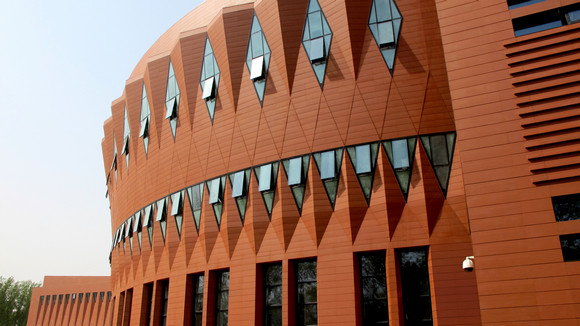
Start by Mapping the Stain and Its Iron Source
Photograph the dry surface consistently and mark each affected location. Record when it appeared, whether rain changes it, and nearby metalwork, drainage, irrigation, construction or landscaping. Pattern often gives a better lead than colour.
| Observed pattern | Possible source to investigate | Evidence to collect |
|---|---|---|
| Streak below a bracket, coping or railing | Runoff from corroding steel, fastener or cut edge | Close photographs, coating condition and water path |
| Small isolated points after cutting or grinding | Embedded ferrous particles from tools or adjacent work | Work records, particle distribution and control sample |
| Broad marks near irrigation or repeated washing | Iron carried in the water supply | Water-source record and appropriate water analysis |
| Marks beside planters, soil or stored materials | Transferred soil, fertilizer or metal contamination | Site-use history and comparison with protected areas |
| Staining with cracks, displacement or loose units | Concealed corrosion or another assembly defect | Specialist survey and access to relevant interfaces |
For a wider symptom-based assessment, use the terracotta surface damage diagnosis guide. Rust treatment should not replace an investigation of cracking, moisture entry, loose components or failed joints.
Identify the Tile and Surface System
Record the supplier, product code, batch where available, clay body, finish, sealers, repair history, mortar or grout and adjacent metals. A glazed facade panel, an unglazed solid tile and a treated floor can react differently. Use the terracotta solid tile range to confirm the actual product and application.
Obtain current technical instructions and the cleaner’s safety data before testing. Check the stated substrate compatibility, application method, prohibited combinations, personal protection, ventilation, storage, rinsing and disposal requirements. Do not infer compatibility from a cleaner being described as natural, mild or suitable for masonry.
Stop the Source Before Treating the Appearance
If runoff comes from corroding metal, resolve the water path and metal protection with the responsible designer or contractor. If particles came from site work, isolate grinding and cutting, protect finished surfaces and improve cleanup. If irrigation water is implicated, review the water source and spray pattern. Removing a mark while the source remains active usually creates repeat work.
Suspected corrosion within anchors, reinforcement, support rails or concealed flashings is not a cleaning problem. Restrict access where condition or falling-material risk is uncertain and appoint a qualified facade or conservation professional. Opening up, structural assessment and repair design may be required.
Use a Documented Test Area
- Choose a representative location. Include the actual stain and finish, but keep the first trial small and visually discreet.
- Establish a control. Photograph and, where useful, measure appearance before treatment under repeatable conditions.
- Begin with the least aggressive compatible approach. Follow the approved product instructions; do not invent a concentration, mixture or dwell time.
- Control application and rinsing. Prevent migration into joints, cavities, landscaping, metalwork and unaffected tiles.
- Allow the area to dry. Judge stain reduction, colour, gloss, texture, residue and adjacent materials after the agreed review period.
- Approve or revise the method. Record the product, batch, equipment, conditions, sequence and acceptance decision before expanding work.
A wet surface can temporarily look darker or cleaner, so immediate approval is unreliable. If the test changes the surface or fails to remove the stain, stop and reassess the diagnosis.
Protect Joints, Metals and Water-Control Layers
Cleaning liquid can travel beyond the visible face. Review open joints, sealants, gaskets, porous grout, cavity membranes, flashings and nearby coatings before work begins. Do not use pressure, abrasion or chemicals in a way that could drive contaminants inward, erode the tile, strip a finish or damage adjacent components.
Routine cleaning intervals and access planning belong in the terracotta panel maintenance guide. This article addresses an existing iron-related stain, not a universal maintenance treatment.
Plan Wastewater and Worker Controls
Before treatment, determine how residues, rinse water, used absorbent material and contaminated protection will be captured. Do not allow runoff to enter the rainscreen cavity, soil or drainage system unless the approved method and local requirements permit it. The contractor should follow the product safety data and applicable environmental, workplace and waste rules.
For project-specific manufacturing and finish information, the LOPO manufacturing overview provides context, but current product documents still govern the treatment review.
Know When Specialist Repair Is Required
- The stain is widespread, recurring or linked to concealed metal.
- Tiles are cracked, spalled, displaced, drummy or otherwise unstable.
- The surface is historically significant, custom glazed or previously restored.
- Access is at height or above occupied public areas.
- The source remains uncertain after inspection and limited testing.
- Cleaning trials cause bleaching, gloss change, etching, residue or joint damage.
In these cases, a conservator, facade consultant, materials laboratory or appropriately qualified contractor should define investigation and repair. Replacement may be considered only after the cause, availability, colour range, fixing and weather interfaces have been reviewed.
Frequently Asked Questions
Can every rust stain be removed from terracotta?
No. Results depend on the source, depth, tile body, finish, exposure and previous treatments. The realistic target may be reduction rather than complete removal, especially where aggressive cleaning would damage the surface.
Should I use acid on an unglazed terracotta tile?
Do not assume it is suitable. Obtain product-specific guidance and test an approved method. Acids can affect clay surfaces, grout, mortar, metals, coatings and surrounding materials.
Is a commercial rust remover automatically safer than a homemade mixture?
No. Either can be incompatible or hazardous. A commercial product should at least provide technical and safety instructions, but its suitability still needs confirmation for the actual assembly.
When is rust staining evidence of a structural problem?
The colour alone does not prove one. Staining associated with loose units, cracks, movement, recurring wetness or concealed support locations requires prompt professional assessment.
Request Product-Specific Guidance
Send the tile code, finish, location, stain pattern, likely source, photographs and previous treatment history through the LOPO project enquiry page. Cleaning approval, access control and waste handling remain the responsibility of the appointed project parties and local authorities.


